LANGUAGE TEST PREPARATION COURSES
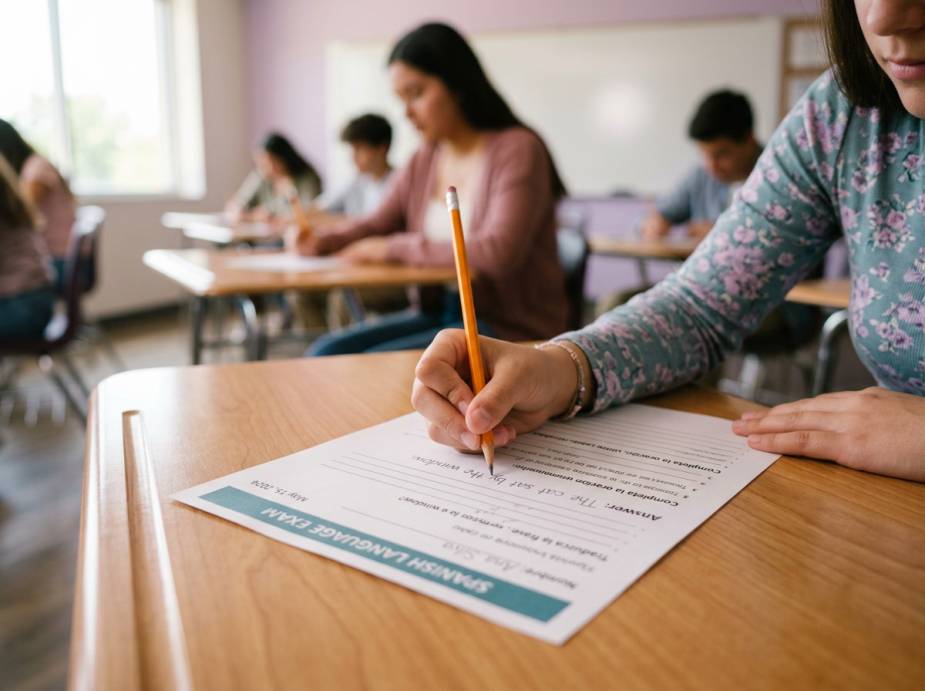
Passing a language exam with the score you need is a skill in its own right. You can speak and understand perfectly well by ear yet still fail the test because you don't know the format, run out of time or pick the wrong strategy. Language test preparation courses teach you less about the language itself than about how to tackle each type of task correctly.
These programmes are built around real exam materials. You work through dozens of practice papers, analyse common mistakes, and learn to manage your time and keep your nerves under control. Teachers give you ready-made templates for written tasks and spoken answers, show you what examiners look for, and drill the hardest sections — listening comprehension in different accents, for example.
Why pay for a course when you could buy a book of practice tests and study on your own? It comes down to feedback. On a course, an experienced teacher marks your written work and points out your weak spots. Your spoken answers are recorded and reviewed. The group setting and the timing of lessons are also far more disciplining than working through exercises at home. The result is a higher score and fewer retakes.
Main types of preparation course
-
Express preparation (2–4 weeks) — an intensive course right before the exam. Suited to those who already have the required level but lack practice with the format. Plenty of tests, strategy analysis and a focus on weak areas.
-
Standard course (8–12 weeks) — a balance between improving your language and practising for the test. Lessons two or three times a week plus homework. The most popular option.
-
Long-term preparation (4–6 months) — for those starting below the required level. First you build up general language skills, then move on to exam tasks.
-
Individual preparation — fully tailored to your schedule and goals. The teacher works only on your weak spots. More expensive, but more effective for busy adults.
-
Speaking workshop for the oral section — a short course (1–2 weeks) focused on speaking: monologues, dialogues and answering questions. Often added on to the main course.
| United Kingdom (GBP) | from £400 | to £1 200 |
| Ireland (EUR) | from €350 | to €1 000 |
| Germany (EUR) | from €300 | to €900 |
| France (EUR) | from €350 | to €1 000 |
| Spain (EUR) | from €250 | to €800 |
| Italy (EUR) | from €250 | to €800 |
| USA (USD) | from $600 | to $2 000 |
Intensive and individual courses cost 1.5–2 times more.
Accommodation options (if you travel abroad for in-person courses)
- Host family — conversation practice after lessons and full immersion. Good for long-term preparation (from 4 weeks).
- Residence / hall of residence — rooms for one or two people, often with a kitchen. Convenient if the school is in a large city.
- Rented room — for those who already live in the country or are coming for a long stay.
What is usually included in the cost
-
Lessons on the exam format (all sections)
-
Practice tests with marking
-
Homework and its review
-
Study materials and sample answer sheets
-
Individual feedback on written work (usually 1–2 pieces per week)
-
A course completion certificate
The registration fee for the exam itself is paid separately (usually €150–€300).