"Hidden Selection Criteria in Private Boarding Schools: Academic Records vs. Extracurriculars — What Matters More?"
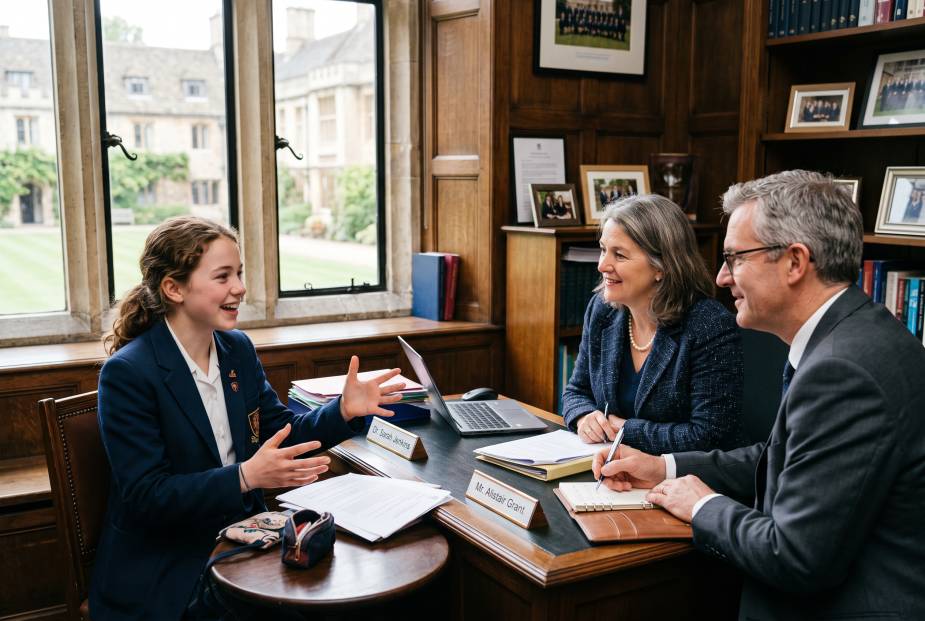
When parents and students start thinking about applying to a private boarding school, the first thing that comes to mind is grades. And certificates, diplomas, sports rankings. That's logical. But admissions committees at these schools see things differently. They don't want a robot straight‑A student. They want a person who will become part of their world, bring something of their own to it, and grow and develop alongside the school. So an application isn't just a stack of papers. It's a whole story. And if you want it to be read and understood, you'll need to put your heart and soul into it.
- Let's start with the obvious: grades are the starting point. Transcripts from the last two to three years are the first thing they'll look at. But it's not about straight As throughout their schooling. Admissions committees look at the overall trend. If a child shows consistent improvement year after year, that counts more than a random spike of perfect marks. And they pay special attention to subject‑specific performance. If you're applying to upper grades with a science focus, maths and physics need to be strong. English, of course, too. Many schools ask for standardised test scores — SSAT, ISEE, UKiset. In Switzerland, for example, they might add French if the programme is bilingual. So grades are your ticket in. But then it gets more interesting.
- Portfolio. That word can be intimidating. In reality, it's simply an opportunity to show who you are. Not a list of diplomas, but your story. For instance, if you've been playing music for years, record your performances and show your progress. If you draw — include your work, but not everything — only your strongest pieces that reflect your style and progress. Athletes — show not just victories but also training, teamwork, technique. And always follow the school's guidelines: if they ask for three drawings, don't send ten — that shows you can follow instructions.
- Now, recommendations. This is perhaps the most underestimated part of the application. A teacher or coach who writes a few warm words can either make or break your application. Because "Vasya is a good student" says nothing. But "Vasya organised a school robotics project, brought in ten people, and we won a city‑level competition" — that's a story. Ask your referees to be specific and share concrete examples that demonstrate your character, leadership, responsibility. And give them all the necessary information about yourself and the schools you're applying to. Don't forget to thank them afterwards.
- The interview is often the deciding factor. This is no longer about grades — it's about how you think and how you communicate, how you react to unexpected questions. You might be asked why you chose this particular school, what you can contribute to its community, what your plans are. Don't memorise answers — it's easy to spot. Instead, think in advance about what matters to you, and speak from the heart. Swiss schools value maturity of judgment, British schools value academic motivation, American schools value a vibrant personality. They all want to see a living, genuine human being.
- Then there's the motivation letter, or essay. This is your personal voice. Here you can talk about yourself, what moves you, what you've experienced and learned. Avoid clichés. Remember, admissions committees read hundreds of these and can spot a template from a mile away. Share something real. For example, how you overcame a challenge, how you helped others, what changed your worldview. Avoid grandiosity. Just be yourself — that's the only thing that truly works.
- And finally, the most important thing — character. Yes, all these documents and tests matter, but behind them stands a living person. Schools are looking for those who will make their community better. People who can work in a team, who can take responsibility, who show empathy. So when you're putting together your portfolio, ask yourself: what does this story say about me as a person? Not just "I won a medal" but "I learned not to give up." Not just "I play football" but "I learned to support my teammates." That's what really resonates. Those who show not only achievements but also character often get in even with slightly below‑average grades. And those with perfect scores but emptiness inside often get left behind.
In short, applying to an elite school isn't about "buying a ticket" — it's about showing your uniqueness. Be honest, don't be afraid to be vulnerable, tell your stories. Then you'll have a real chance — even if you didn't score 100 out of 100. The key is for your application to be genuine — and then it will find its connection.